Following the April 5, 2026, second feature on Remote Area Medical (RAM) on “60 Minutes,” we connected with Section I Fellow John Osborn, RAM’s Director of Dental Services and the 2025 ICD USA Section Distinguished Humanitarian. Dr. Osborn shared the history of his service, the legacy of founder Stan Brock and how essential funds like the ICD Global Visionary Fund – Henry Schein Cares Grant Program fuel their mission today.
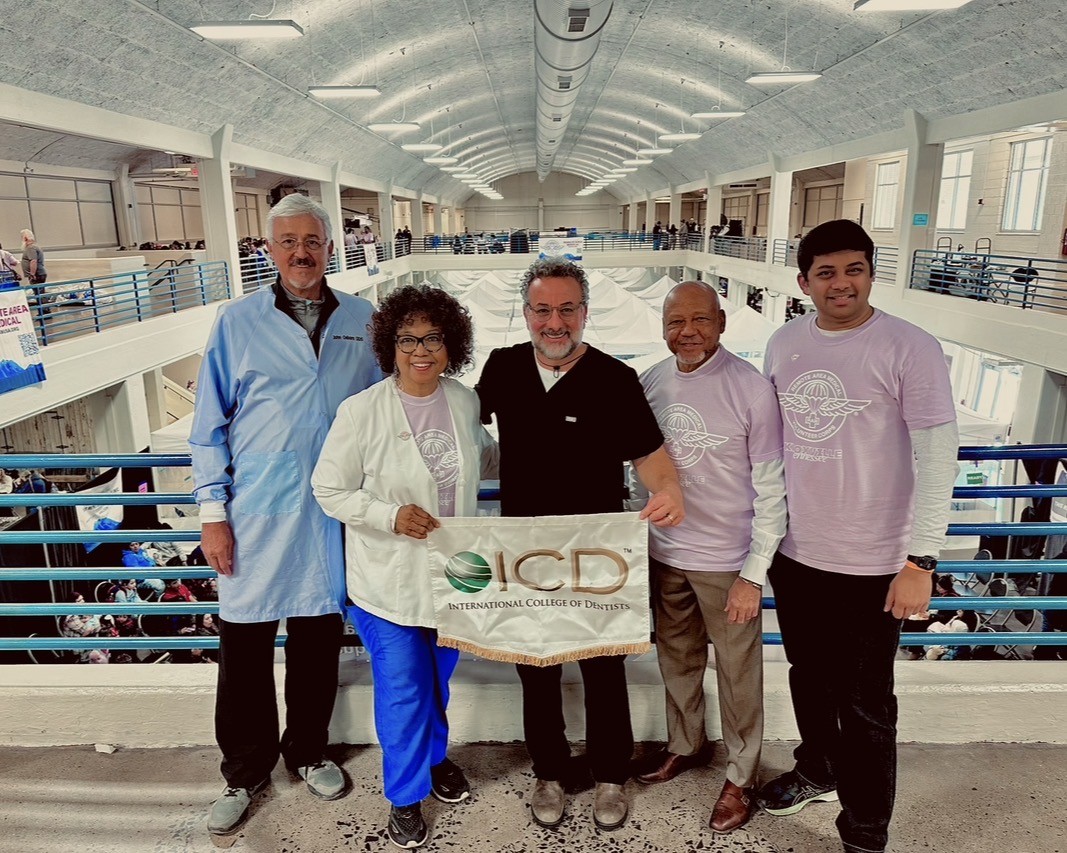
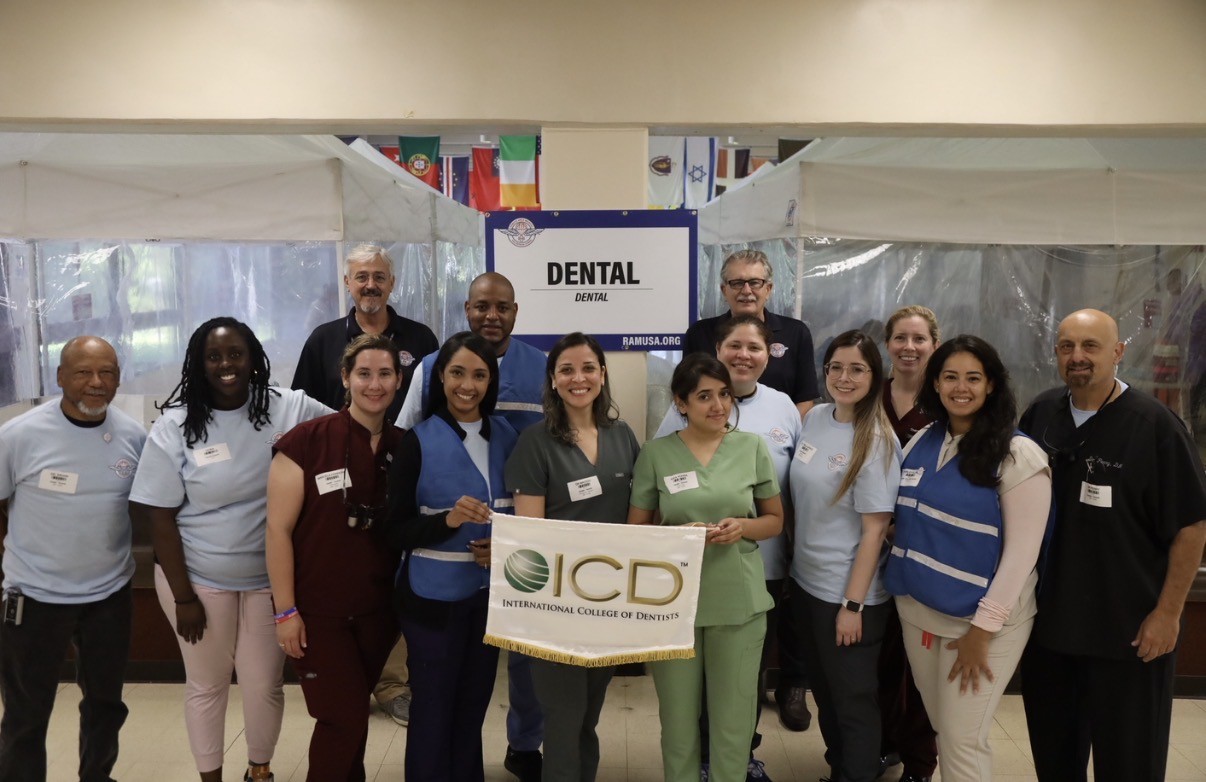
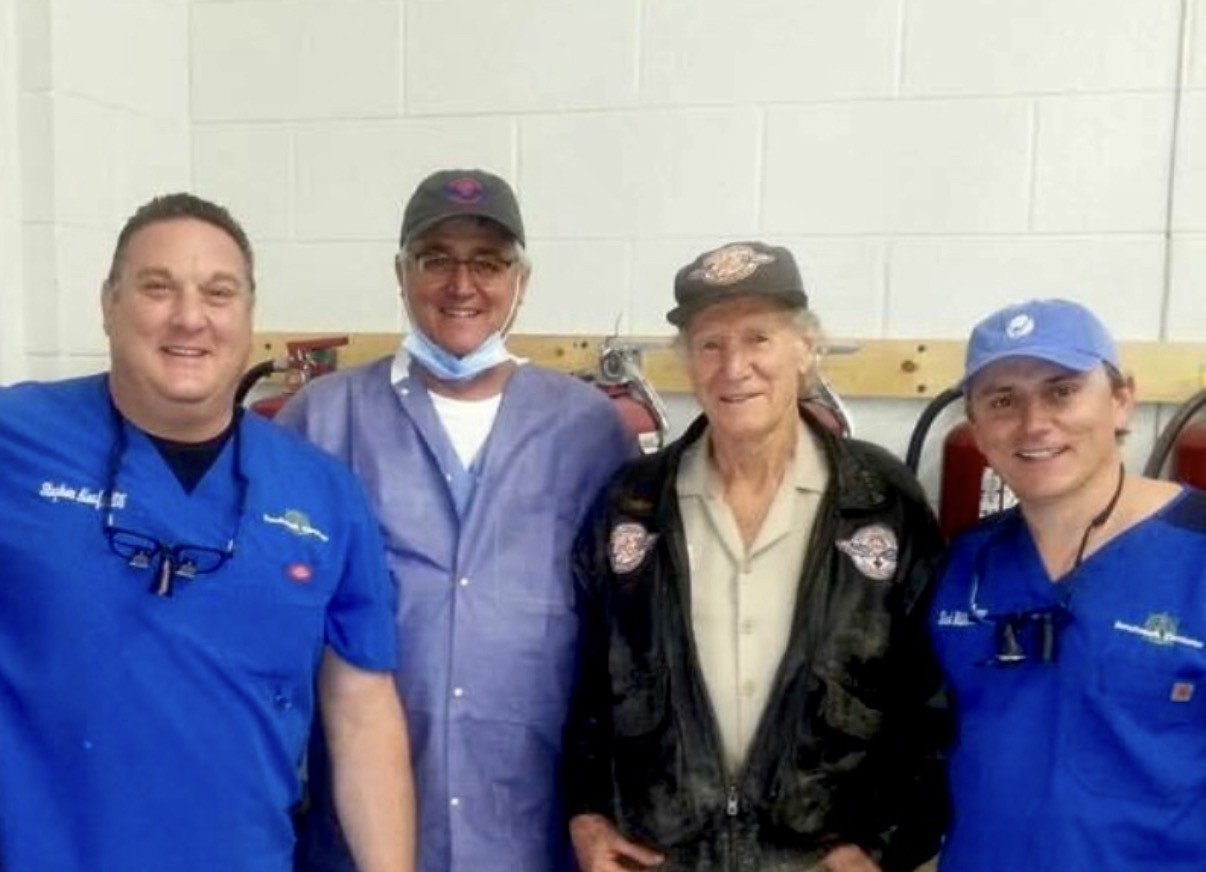
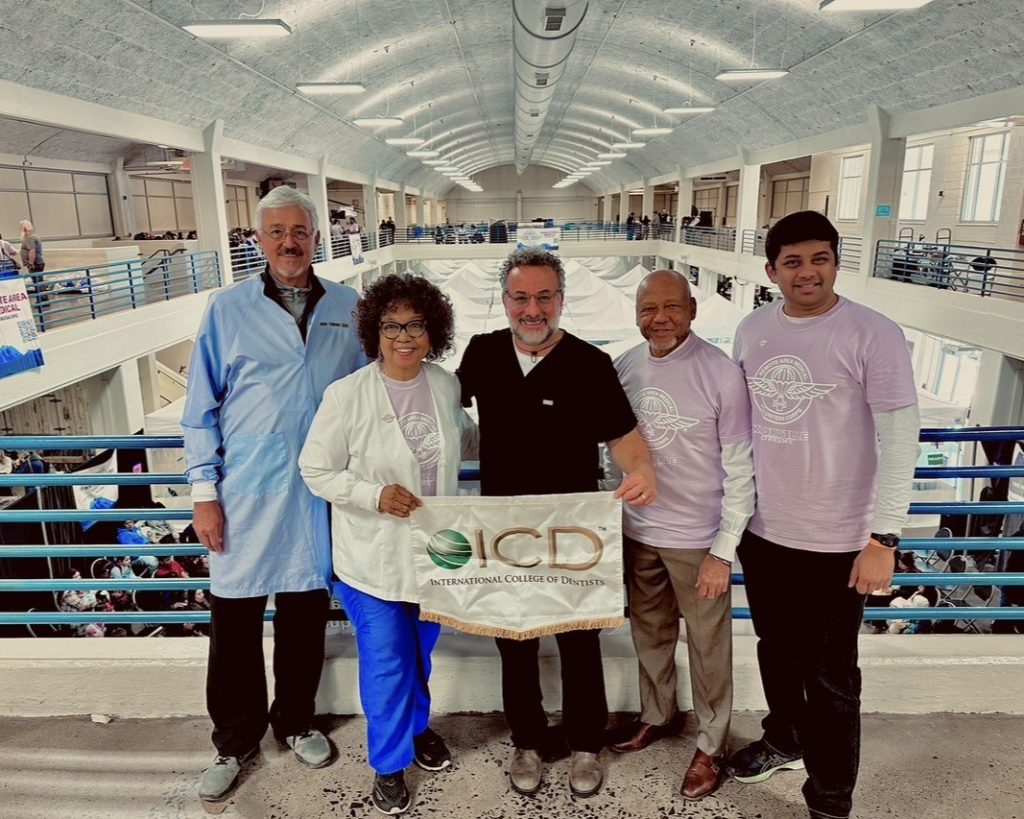
While thousands of volunteers serve with RAM, its dental leadership is deeply rooted in the College. The RAM Dental Board is essentially an ICD “super team” comprised entirely of Section I Fellows, including Dr. Janet Southerland, Dr. Hazel Harper, Dr. Joe Gambacorta, Dr. Brian Swann and Dr. John Osborn. This strong presence of the fellowship ensures that the profession’s highest standards remain at the heart of their humanitarian efforts, from strategic planning to the chairside care provided at every clinic.
Parachutes and Jungles: The Early Expeditions
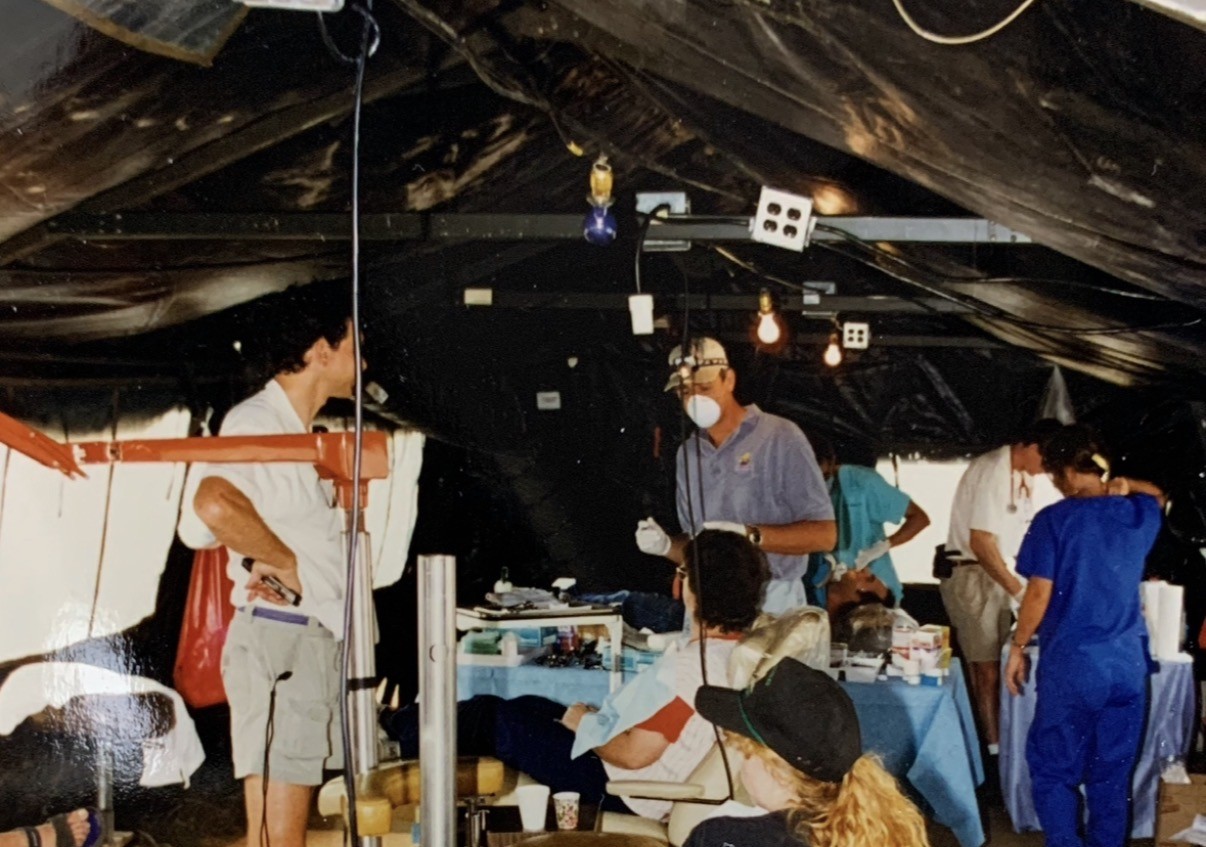
Founded in 1985, RAM began as a volunteer corps dedicated to bringing care to the most remote corners of the world. The organization’s roots trace back to founder Stan Brock, the co-star of Mutual of Omaha’s Wild Kingdom. Brock was inspired to start the nonprofit after being injured while working on a cattle ranch in British Guyana, where he discovered the nearest doctor was a 28-day hike away. In those early years, RAM was known for its “expeditions,” often involving parachuting doctors and supplies into tropical jungles to treat patients who had never seen a medical professional.
High-Flying Origins: Dr. Osborn’s Early Days at RAM
Dr. Osborn’s own journey with the organization began a few years after these jungle expeditions started. Shortly after graduating from dental school, he caught the “mission bug” while volunteering in Mexico and began searching for a similar opportunity in the United States. His practice partner told him about a new nonprofit based in Knoxville and signed up for an early expedition. That nonprofit was Remote Area Medical. Dr. Osborn soon joined the cause, spending several years working weekend clinics nearly every month in the Tennessee area as RAM began its first “pop-up” clinics on American soil.
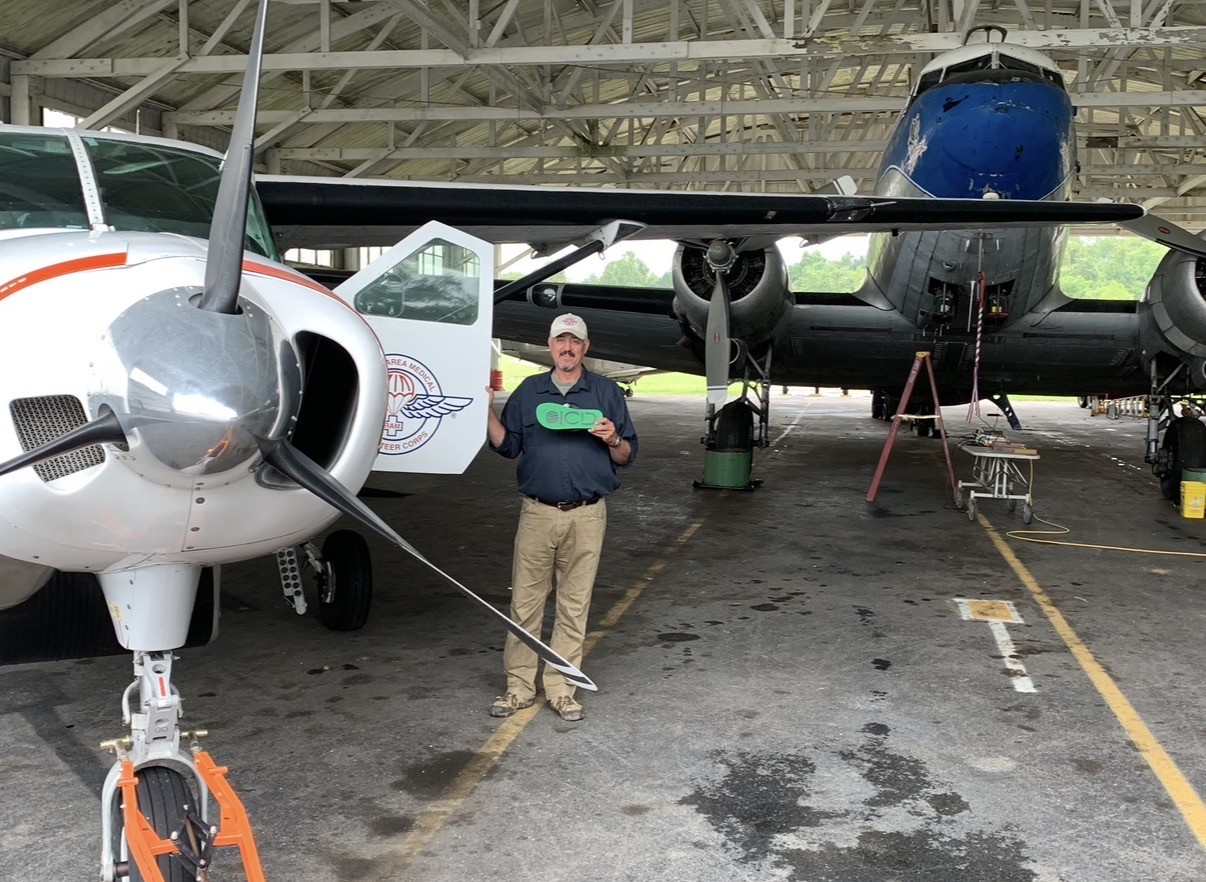
By 1997, Dr. Osborn’s dedication led to his appointment as RAM’s Dental Director. This era of the organization was defined by its unique aviation-led logistics. At the time, RAM operated two World War II-era cargo planes, including a C-47 that had flown on D-Day, leased for just a dollar a year. Because Dr. Osborn often traveled in these vintage planes with Stan Brock to reach clinic sites, he decided in the years following his appointment that it was only practical to learn how to fly them himself.
Beginning in 2004, he began piloting RAM aircraft for transport and rescue missions. Brock, an experienced airline and transport pilot who lived and breathed aviation, served as his flight instructor. Dr. Osborn recalls that Brock had the credentials and patience to teach him the complexities of heavy transport maneuvers. Together, they piloted these legendary planes, carrying tons of mobile dental equipment and medical supplies to underserved communities. Although RAM no longer operates aircraft today, that period solidified his role not just as a dental leader, but as a pilot dedicated to bridging the gap between healthcare and the people who need it most.
Changing Course: The Domestic Pivot
While RAM originally served the Amazon, the 2008 and 2026 features on 60 Minutes highlight a staggering health crisis currently facing Americans. Reporter Scott Pelley noted that about one-third of Americans have skipped meals, borrowed money or cut back on utilities to pay for healthcare. Following Stan Brock’s death in 2018, the organization officially pivoted to focus its primary efforts on domestic care. Dr. Osborn notes that the most surprising thing about the shift to U.S. only clinics is that it is often much easier to get a permit to provide dental care in a foreign country on the other side of the world than it is to get a permit to do dentistry in a neighboring state.
Despite these regulatory hurdles, the need at home remains overwhelming. In a single weekend in Knoxville, RAM served 1,200 patients. RAM CEO Chris Hall highlighted the lopsided demand for care, noting that 65% of patients who come through the door request dental services, while 30% seek vision care and only 5% seek general medical care.
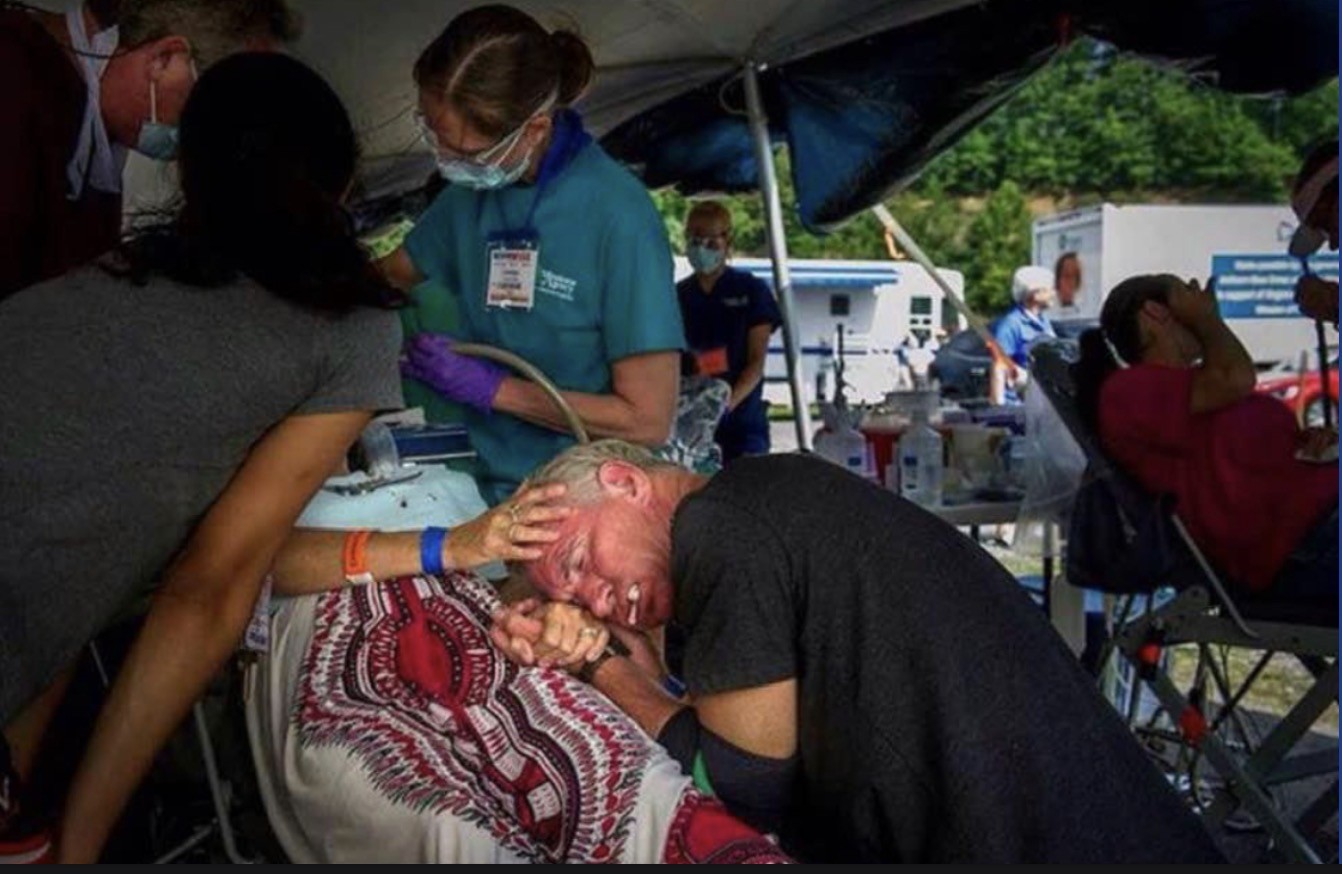
Dr. Osborn sees the human face of these statistics at every clinic. He recalls the walls of the RAM headquarters in Knoxville being covered with patient testimonials: stories of individuals like the patient who walked six miles to the clinic just to have a single rotten tooth extracted. He also remembers a family of four that camped in their car for two days before a clinic because they could not afford the co-pays for dental work and had no coverage for their children’s eyeglasses.
These stories are echoed by volunteers like New Jersey dentist Dr. Glenn Goldstein, who finds treating neighbors in the U.S. both heartbreaking and necessary. Dr. Goldstein recalled young patients who, despite having teeth that could technically be saved, pleaded for total extractions because they had no hope for future care. “I don’t have any money. I don’t have any way to get these fixed,” he recalled a patient telling him. “So please, please take them out.”
The reality of these clinics often forces practitioners to make difficult choices. Dr. Goldstein noted the emotional toll of these requests, stating, “It’s heartbreaking to take all the teeth out. It’s terrible.” Patients often make these requests because they know that, going forward, they will not have the financial means to maintain their oral health. For these individuals, relieving immediate pain becomes the only priority.
“Just Do It”: A Direct Call to Action from Dr. Osborn
While the College is widely recognized for its humanitarian reach, the heart of the fellowship lies in the leaders who set the standard for the profession. For Dr. Osborn and the RAM Dental Board, service is the ultimate expression of professional integrity. It is where clinical excellence meets public necessity, and where the next generation of dentists learns that their skills are tools for both professional success and social restoration.
When asked how he would encourage his peers to explore this dimension of the College, Dr. Osborn offered a warm invitation to join the movement:
“Just. Do. It. Find an organization that aligns with your values and jump right in! Whether it’s local, national or international there are hundreds of organizations and literally millions of people that need your skills and your help. You will be shocked to find out how much you can learn from your colleagues at these free clinics, and the sense of camaraderie with your fellow dentists, and gratitude of the patients is life-changing.”
Whether through clinical volunteering or by supporting the Global Visionary Fund, every Fellow has a unique opportunity to provide the “mirror moment” that restores a patient’s dignity. By joining this collective effort, we don’t just change our patients’ lives: we enrich our own professional journeys through the shared spirit of the fellowship.
The 2-to-1 Ratio: Doubling the Impact of Care
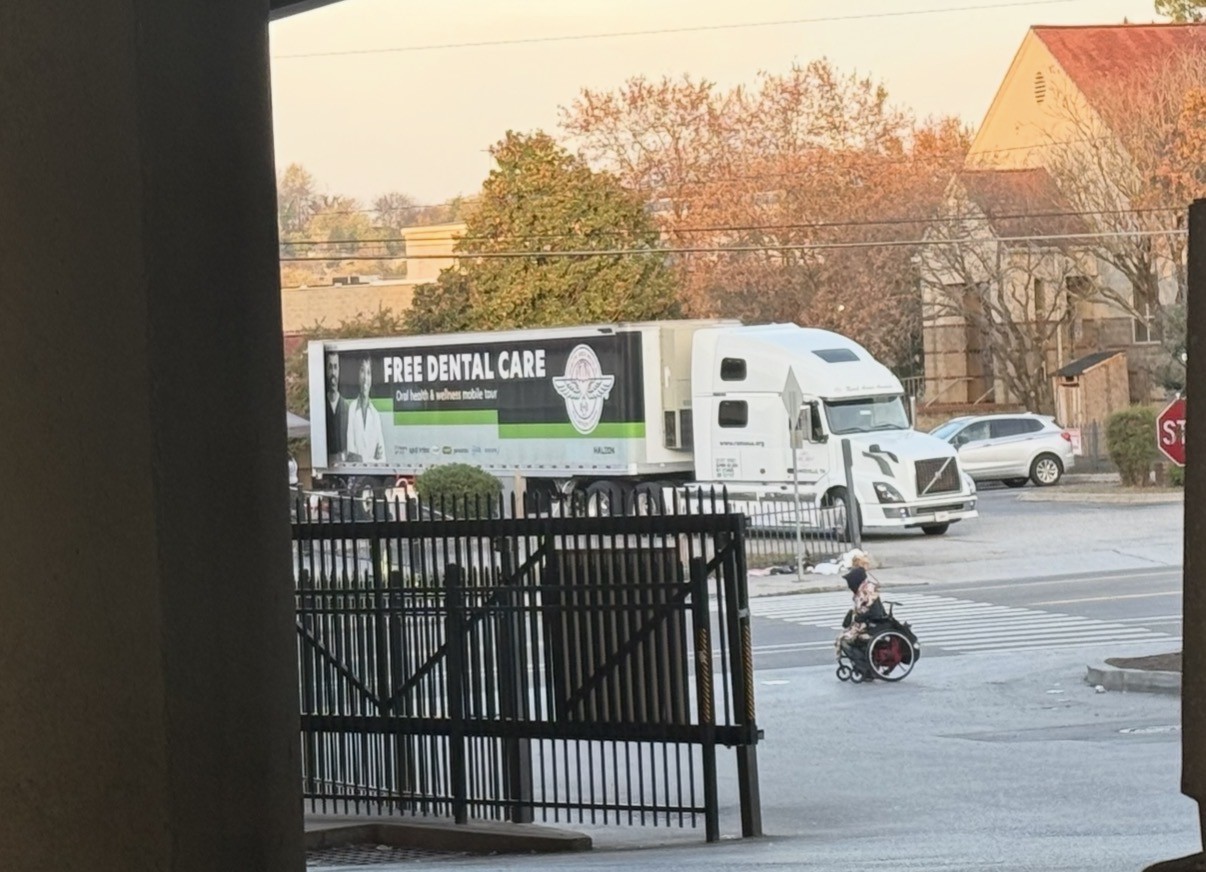
Operating a modern mobile healthcare system is a massive undertaking. RAM currently employs about 70 people and maintains dozens of vehicles to coordinate its weekly “pop-up” clinics. Depending on the size, a single weekend clinic can cost RAM between $100,000 and $500,000 to operate. The partnership between the ICD Global Visionary Fund (GVF) and Henry Schein Cares provides the critical backbone for this work. Dr. Osborn explains that those grants allow RAM to focus on delivering quality healthcare at a 2-to-1 ratio, meaning for every dollar received, RAM provides two dollars of care.
That funding translates into real relief for families like those highlighted in the recent broadcast. This includes patients like Sandra Talent, who drove 200 miles and slept in her car for two nights, beginning on Wednesday, just to be seen on Friday morning. It also includes individuals who walk miles to have a single rotten tooth extracted or those who have suffered for years after accidents left them without teeth and without hope. For these patients, as one attendee put it, RAM doesn’t just provide healthcare; it hands you your life back.
The College is proud to support organizations like RAM. The Global Visionary Fund’s grant program is made possible by the generous donations of ICD Fellows and the ongoing support of Henry Schein. To ensure we can continue serving those in need, the College has launched the “Building a Legacy of Impact” campaign. The GVF is a priority area of this campaign, designed to expand our support for humanitarian oral health initiatives worldwide. Please help us change lives by supporting the campaign today at icd.org/campaign.